
This comprehensive Red Sox vs New York Yankees match player stats breakdown shows batting averages, pitching performances, home runs, RBIs, strikeouts and defensive contributions for both sides. Fans and analysts watch these stats closely to understand how star players and new talent affect the outcome of each game.
From clutch hitting moments to dominant pitching battles, every detail matters in this historic MLB rivalry. This article examines the detailed player performances, game-changing stats and tactical insights that define the intensity of this match. Whether you’re a baseball fan, analyst or bettor, this guide will give you everything you need to know about recent and historical Red Sox vs Yankees performances.
Historic Rivalry Overview and Red Sox vs New York Yankees match player stats
The rivalry between the Red Sox vs New York Yankees match player stats is one of the most legendary in all of sports, often shaping MLB seasons and playoff races. Whenever these two teams meet, the intensity is unmatched and player stats become the most important factor in understanding the results. Over the decades, both teams have built strong lineups full of power hitters, elite pitchers and defensive specialists.
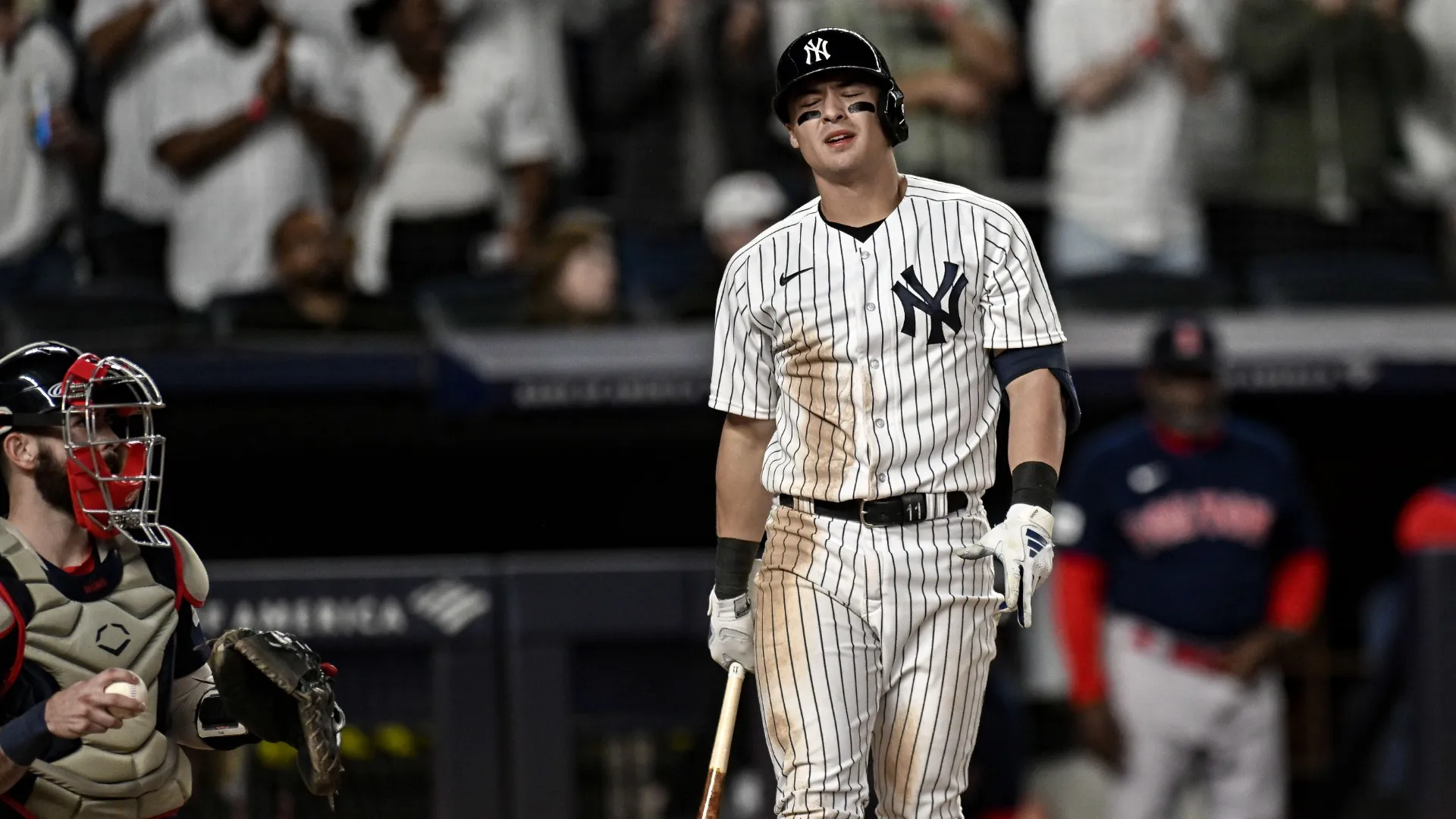
In modern matchups, statistics such as on-base percentage, slugging percentage, ERA, and strikeout-to-walk ratios play a vital role in analysing performance. The Yankees often rely on power hitters like Aaron Judge and consistent pitching rotations, while the Red Sox focus on balanced offences and strategic pitching changes. Every game between these teams is a statistical battleground where victory is decided by small margins.
Fans and analysts look at live records, current form and situational performance. For example, clutch hitting in late innings or bullpen efficiency often decide close games. This rivalry isn’t just about winning; it’s about dominance reflected in the numbers, and each match adds new layers to their storied rivalry.
Batting Performance Analysis of Key Players
Batting stats are one of the most important elements in any Red Sox vs New York Yankees match player stats. Players like Rafael Devers, Xander Bogaerts (if active) and J.D. Martinez have historically contributed to Boston’s strong offensive numbers. On the Yankees side, Aaron Judge, Giancarlo Stanton, and Anthony Rizzo often produce strong hitting performances.
In recent games, the batting average often changes depending on the quality of the pitching. For example, Aaron Judge’s success rate tends to rise against weaker bullpen rotations, while Red Sox hitters like Devers excel against heavy-ball pitchers. Key stats like RBIs, home runs, and OPS (On-base Plus Slugging) help gauge impact.
Another important factor is the situational strike. With runners in scoring position, both teams rely heavily on experienced hitters who can deliver under pressure. Walk rate and strikeout percentages also provide insight into plate discipline. All in all, the batting performance often sets the pace of this rivalry and determines which team gains the early momentum.
Pitching Stats and Starting Rotation Breakdown
Pitching is often the deciding factor in Red Sox vs New York Yankees match player stats. Starting pitchers set the tone, while the strength of the bullpen dictates results in the late games. The Yankees typically rely on strong pitchers with high velocity, while the Red Sox focus on mix-and-match strategies.
Key pitching metrics include ERA (Earned Run Average), WHIP (Walks plus Hits per Inning Pitched), strikeouts and innings pitched. Yankees starters often maintain a lower WHIP due to aggressive pitching styles, while Red Sox pitchers rely on control and pitch variation.
Bullpen depth has played a huge role in recent matchups. Relievers who can close out high-pressure innings often change momentum. For example, a dominant performance in the 8th or 9th inning can completely change the outcome of a game.
The pitching duels between the starting aces are especially exciting. Games where both teams have strong starting pitchers often result in low-scoring battles that emphasize defensive execution and strategic pitching changes.
Home Run Leaders and Power Hit Impact
Home runs are one of the most interesting aspects of Red Sox vs New York Yankees match player stats. Both teams are equipped with powerful hitters capable of changing a game with a single swing. Aaron Judge is often an excellent home run leader for the Yankees, while the Red Sox rely on consistent power from hitters like Rafael Devers.
Statistically, home runs contribute significantly to the probability of a win. The team that hits more home runs in a game usually gains a strong advantage. Exit velocity, launch angle, and barrel percentage are key metrics used to evaluate hitting performance.
In rivalry games, momentum shifts often come from solo or multi-run home runs. These moments not only affect the score but also inspire the teams and the fans. Over time, power punches became the defining characteristic of this match.
Defensive Stats and Fielding Efficiency
Defence plays a crucial but often underrated role in the Red Sox vs New York Yankees match player stats. Fielding percentage, errors, assists, and defensive runs saved are key indicators of team performance.
The Yankees generally maintain a strong infield defence, with players capable of catching highlight reels. The Red Sox, meanwhile, are focusing on infield coordination and double play efficiency. Mistakes in this rivalry are often costly and can change the dynamic immediately.
Advanced defensive metrics also highlight player position and reaction time. Teams with fewer defensive mistakes tend to control the tempo of the game more effectively. Even a single error in the field can decide the result in a close competition.
Head-to-Head Player Matchups and Trends
Red Sox vs New York Yankees match player stats focus primarily on individual matchups between hitters and pitchers. Analysts often study the history of batters vs pitchers to predict outcomes.
For example, some Yankees hitters may struggle against left-handed Boston pitchers, while Red Sox hitters may struggle with high-velocity sinkerballs. These micromatchups influence lineup decisions and batting order strategies.
Trends also reveal long-term patterns. Some players consistently perform well against competitive teams regardless of form. These trends are valuable for coaches when planning game strategies and rotations.
Understanding these matchups helps fans and analysts predict key moments in games, especially during late innings or playoff situations.
Recent Game Performance Stats and Highlights
Recent Red Sox vs New York Yankees match player stats have visit more shown fluctuating performance levels from both teams. Game statistics such as total hits, strikeouts, walks, and extra-base hits provide a clear picture of the balance of performance.
In some games, the Yankees dominate with high-scoring innings powered by home runs, while the Red Sox respond with consistent hitting and situational runs. Pitching performances often vary, with bullpen depth becoming a deciding factor.
Key highlights include clutch RBIs, defensive saves, and late-game pitching dominance. These moments are crucial in understanding how each team adapts under pressure. Statistical breakdowns of each game help identify strengths and weaknesses that evolve throughout the season.
Overall Team Comparison and Statistical Summary
When comparing the two teams statistically, the Red Sox vs New York Yankees match player stats often excel in power hitting and pitching, while the Red Sox focus on a balanced offence and adaptability. Team metrics such as runs scored per game, team ERA and defensive efficiency provide a complete picture.
The Yankees typically have higher home run numbers, while the Red Sox maintain better contact hitting and situational execution. Both teams are highly competitive, making every match unpredictable.
Over the course of the season, these statistical differences even out and their rivalry is one of the most competitive in MLB history. Fans can expect close matches, changing tempos and outstanding individual performances every time they meet.
Conclusion
The Red Sox vs New York Yankees match player stats rivalry remains one of the most statistically rich and exciting matchups in baseball. Player statistics such as batting averages, pitching performance, home runs, and defensive efficiency all play a key role in determining the outcome of a game.
Each match brings new performances, changing trends and unforgettable moments that add to the legacy of this historic rivalry. Understanding these stats helps fans appreciate the depth of competition and strategic battles that take place on the field.
FAQs
- Why are Red Sox vs Yankees statistics important?
They help analyze player performance, team strategy and game results in one of MLB’s greatest rivalries.
- Who are the best in this rivalry?
Players like Aaron Judge, Rafael Devers, and Giancarlo Stanton often put in strong Red Sox vs New York Yankees match player stats.
- What stats are most important in these games?
Batting average, home runs, ERA, strikeouts and defensive efficiency are key metrics.
- Which team has the better historical performance?
Both teams have strong records, with dominance varying by era and strength of roster.
- Why is this rivalry so famous?
It’s one of the oldest and most competitive rivalries in baseball history, filled with dramatic plays and legendary moments.